
YouTube Moving the Goalposts: Why the 8,000 Watch Hour Cap Changes the Creator Grind
/ Tech, BlogJoin our free newsletter on Patreon for updates & behind-the-scenes →YouTube just dropped news that is going to make the grind a whole lot steeper for small channels and independent creators. Starting February 1, 2027, the threshold to get monetized under the YouTube Partner Program is officially doubling.
We are jumping from 4,000 public watch hours to 8,000 watch hours within a 365-day window. If you rely on Shorts to hit eligibility, that metric is taking a massive leap too, doubling from 10 million to 20 million qualified views in a 90-day period.
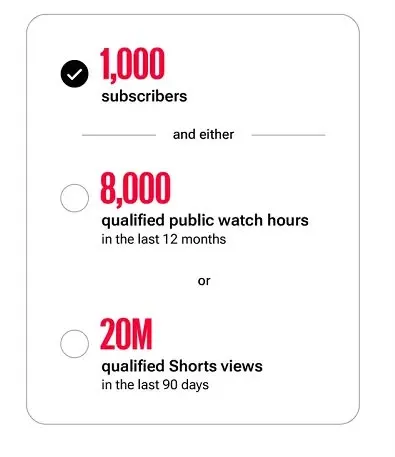
The subscriber requirement is holding firm at 1,000, and lower-tier fan-funding perks like Super Chats and memberships remain unchanged. But if your goal is earning a slice of ad revenue, the goalposts just got pushed twice as far down the field.
The Platform Perspective vs. The Creator Reality
From a business perspective, YouTube’s math makes sense. Raising the bar allows them to focus ad sales and service quality on channels that have already proven consistent audience retention.
However, from the perspective of an independent builder, creator, or tech enthusiast trying to build a video presence from scratch, this shift feels like a heavy hit to the entry-level ecosystem.
Hitting 4,000 watch hours was already a formidable milestone for anyone balancing content creation alongside a day job, client work, or family life. Doubling that requirement means organic growth now demands:
- Sharper pacing and strategy: You can no longer rely on a few decent uploads and hope the algorithm carries you across the finish line.
- Higher production efficiency: Content needs to be built with tight, sustainable workflows.
- Evergreen value: Videos must be engineered for long-term relevance rather than temporary trends.
For those already in the Partner Program, the update brings a subtle shift in accountability as well. While existing monetized channels won’t be booted instantly, YouTube is introducing new maintenance requirements, meaning you must maintain baseline engagement to keep receiving revenue.
Content Creation as a System
Ultimately, this change forces content creation to align much more closely with software development. Success is less about chasing sudden viral spikes and more about building sustainable systems, delivering high-impact clarity, and executing with relentless consistency over time.
The barrier to entry is higher, but for creators willing to double down on deep value and long-term momentum, the potential return remains as high as ever.
A Hard Shift in Perspective
For me personally, this update forces a reality check. Content creation is something I genuinely want to pursue, but without a structured process and a repeatable system, monetization becomes a distant, moving target.
Balancing a full-time career alongside being a full-time husband and dad leaves zero margin for trial and error. With a plate that’s already full, pushing out content without a clear, efficient workflow simply isn’t feasible. It might mean putting the YouTube effort on the back burner for now.
Whether I pause or pivot, one truth stands out in this new era of content: passion alone won’t get you across the finish line, systematic execution will.
~ Joshua
Tags:Youtube, Monetization, Content-creation, Productivity, Workflow, Creator-economy, Tech-newsHow I Host and Deploy My Astro Site for $0 on Cloudflare
Built an Astro CMS Admin in Go
Related Posts

The Subscription System I Didn’t Build
I considered building a custom email subscription service but chose Patreon instead. Learn why I opted for simplicity over reinventing the wheel.
Continue to read more…
Built an Astro CMS Admin in Go
/Programming, Blog, Tech
I built a lightweight, high-performance CMS admin panel for my Astro blog using Go. Learn how this custom tool streamlines my publishing workflow from anywhere.
Continue to read more…
Ditching the IDE: Streamlining My Astro Blog Workflow
Why I'm building a custom Go backend with Firebase Auth to manage and publish blog posts to my Astro site on the fly without opening an IDE.
Continue to read more…
Speed over Pure Muscle: My First Week with Gemini 3.5 Flash
A developer's first-week review of Google's Gemini 3.5 Flash. Discover why its ultra-low latency makes it the ultimate coding agent for software development.
Continue to read more…
Comments
Join the discussion